Pharmaceutical Machinery Manufacturer in Nairobi, Kenya





Pharmaceutical Machinery Manufacturer in Nairobi, Kenya
A Pharmaceutical Machinery Manufacturer in Nairobi, Kenya, should be selected based on the machines required, production process, factory layout and technical requirements. Bombay Engineering Works manufactures and supplies pharmaceutical machinery from its manufacturing unit in Vasai East, Maharashtra, India. Established in 1964, the company serves customers looking for machinery for different pharmaceutical production sections.
For pharmaceutical manufacturers in Nairobi, selecting suitable equipment is an important part of setting up or improving a production facility. The right machinery should match the product being manufactured, the required production process and the available factory space.
Call us today: 9821042408
Website: www.bombayengg.com
About Bombay Engineering Works: A Manufacturing Journey Since 1964
Bombay Engineering Works, established in 1964, is a manufacturer and supplier of industrial machinery based in Vasai East, Maharashtra, India. The company serves various industries with a wide range of machinery for different production requirements.
Its product range includes Pharmaceutical Machinery, Chemical Machinery, Food Processing Machinery, Cosmetic Machinery, and Ayurvedic & Herbal Machinery. The company offers machinery solutions for different manufacturing processes.
What Should Pharmaceutical Manufacturers in Nairobi Check Before Buying Machinery?
Buying pharmaceutical machinery involves more than comparing machine names. A machine must suit the product, the production method and the working conditions of the factory.
Before contacting a manufacturer, prepare the following information:
-
Product type: Explain whether you manufacture tablets, capsules, liquids, ointments, injectables or dry syrups.
-
Production process: Describe the steps involved in making your product.
-
Production requirement: Share your expected output and batch requirements.
-
Available space: Provide the dimensions of the proposed machinery area.
-
Utilities: Check the availability of electricity, water, compressed air, steam and other required connections.
-
Material handling: Explain how raw materials and finished products will move through the production area.
-
Cleaning requirements: Discuss how the equipment will be cleaned between production batches.
-
Future requirements: Consider whether you may need additional machinery as production requirements change.
These details help a manufacturer understand the actual requirement before suggesting equipment.
Pharmaceutical Machinery Selection | What Does Your Production Line Need?
Different pharmaceutical products require different processing steps. Therefore, equipment selection should begin with the product and its manufacturing process.
For example, tablet production and liquid medicine production do not use the same machinery throughout their processes. Similarly, ointment manufacturing requires equipment suited to handling semi-solid products.
Buyers should first identify the production section that needs equipment. Next, they should discuss the machine’s purpose, operating method, material requirements, cleaning process and installation conditions with the manufacturer.
It is also important to understand whether the equipment will operate independently or as part of a connected production line.
What Should Be Planned Before Installing Pharmaceutical Equipment?
Proper site preparation helps avoid installation problems and unnecessary changes later. Even when machinery is selected correctly, the factory area must be ready before the equipment arrives.
1. Prepare the Production Area
Check the available floor space and the proposed position of each machine. Keep enough room for operators, cleaning, inspection and maintenance activities.
2. Check Utilities and Connections
-
Electrical supply and connection requirements.
-
Water supply, where required.
-
Compressed air, where required.
-
Steam or heating arrangements, where required.
-
Drainage and waste removal arrangements.
-
Ventilation and environmental requirements.
3. Plan Material Movement
Raw materials should have a clear route to the production area. Finished products should also have a planned route towards the next processing or packaging stage.
4. Confirm Installation Responsibilities
Commissioning means checking that the installed equipment is ready to operate according to the agreed requirements. Confirm whether these activities are included in the purchase or need separate arrangements.
What Testing and Qualification Should Be Checked Before Production?
Testing helps buyers understand whether machinery has been installed correctly and operates as expected. However, a machine running successfully does not automatically prove that the complete manufacturing process is suitable.
Installation Qualification (IQ)
IQ means Installation Qualification. It checks whether the machine has been installed according to the approved requirements.
Operational Qualification (OQ)
OQ means Operational Qualification. It checks whether the equipment operates as intended under defined operating conditions.
Performance Qualification (PQ)
PQ means Performance Qualification. It checks whether the equipment performs consistently under actual or planned production conditions.
What Documents Should Buyers Request?
Documentation helps the purchasing, engineering, production and quality teams understand the equipment.
Before placing an order, discuss the availability of relevant documents.
These may include:
-
Machine specifications and approved drawings.
-
Operating instructions.
-
Cleaning instructions.
-
Maintenance instructions.
-
Electrical drawings, where applicable.
-
Spare parts information.
-
Testing and inspection records, where applicable.
-
Warranty terms and conditions.
Also, confirm the machine’s material details and the parts that come into contact with the product. These details are important when assessing cleaning and contamination risks.
Our Machinery Range | Equipment for Different Production Needs
1. Pharmaceutical Machinery
Main sections: Tablet and Coating, Capsule, Soft Gel, Liquid, Ointment, Injectable, Dry Syrup, Utilities and Hand Sanitizer.
This range covers different pharmaceutical production applications. Listed machines include Aluminium Tube Filling Machine, Auger Type Powder Filling Machine, Autoclave (Steam Sterilizer), Autocoater, Automatic Empty Capsule Loader, Automatic Liquid Filling Line and Automatic Liquid Oral Manufacturing Plant.
2. Chemical Machinery
Main categories: Blenders, Centrifuges, Filters, Milling and Sizing, Reactors and Vacuum Dryers.
These machines are intended for different chemical processing requirements. Buyers should identify the material, processing stage and required operating conditions before selecting equipment.
3. Food Processing Machinery
Main categories: Coating Pan, Dryers, Mixers, Vessels and Tanks, and Vibro Sifter.
This category covers equipment used in different food processing activities. The correct selection depends on the material being processed and the operation required.
4. Cosmetic Machinery
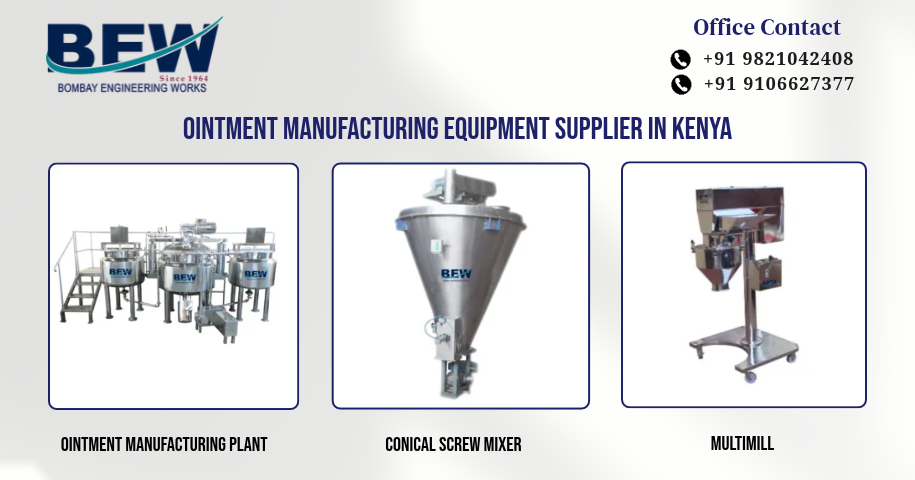
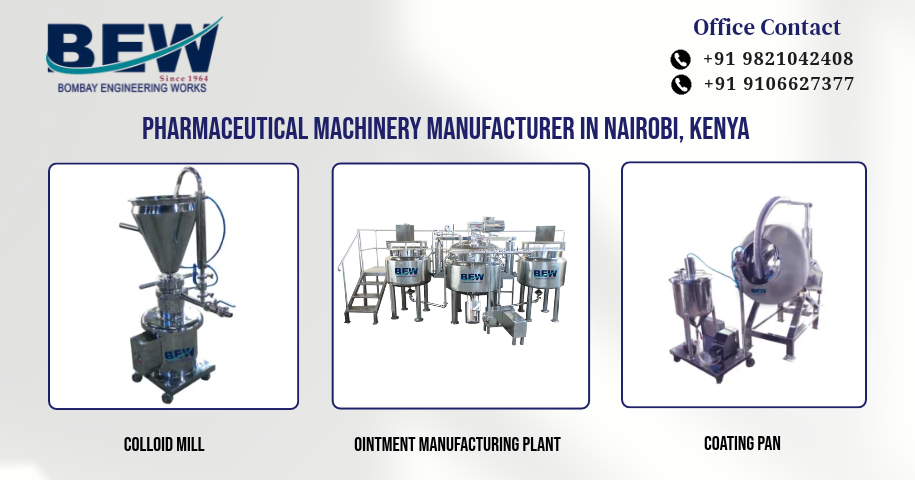
Listed machines: Ointment Manufacturing Plant, Shampoo Manufacturing Plant, Toothpaste Manufacturing Plant, Hair Oil Manufacturing Plant, Shaving Cream Manufacturing Plant and Cartooning Machine.
This machinery range supports different cosmetic manufacturing applications. Buyers should identify the product formulation and the production steps that need equipment.
5. Ayurvedic and Herbal Machinery
Listed sections: Tablet and Coating, Soft Gel, Capsule and Ointment.
These sections cover different processing requirements for Ayurvedic and herbal products. Buyers should first identify the dosage form and the production stages involved.
How Buyers Can Verify a Machinery Supplier
A buyer can follow a few practical steps:
-
Review the manufacturer’s official website and product categories.
-
Request the technical details of the selected machine.
-
Arrange a factory visit or request a suitable equipment demonstration, where available.
-
Speak with the technical team about the intended application.
-
Ask for relevant drawings, manuals and available testing documents.
-
Confirm warranty, spare parts availability and after-sales responsibilities.
-
Keep the final machine specifications and agreed commercial terms in writing.
This approach helps reduce misunderstandings during purchasing and project planning.
Common Mistakes to Avoid When Purchasing Pharmaceutical Machinery
A few purchasing mistakes can create problems after equipment reaches the factory.
-
Selecting equipment without understanding the process: Always identify the actual manufacturing operation first.
-
Ignoring factory layout: Check space, operator movement and material flow before finalising the machine position.
-
Overlooking utility requirements: Confirm electrical and other connections before installation.
-
Not checking documentation: Request available operating, cleaning and maintenance instructions.
-
Assuming services are included: Confirm installation, commissioning, training and technical support responsibilities.
-
Ignoring future maintenance: Discuss replacement parts and maintenance requirements before ordering.
-
Skipping qualification planning: Involve the quality team before equipment installation and production.
A clear purchase discussion helps the buyer understand what is included and what needs to be arranged separately.
How Can Buyers Check the Supplier and Plan Their Purchase?
A Manufacturing Background Since 1964
Bombay Engineering Works was established in 1964. Its manufacturing range covers pharmaceutical, chemical, food processing, cosmetic, Ayurvedic and herbal machinery.
How We Approach Machinery Recommendations
The right machine depends on the actual manufacturing requirement. Before discussing a suitable option, buyers should be prepared to explain:
-
What product do you manufacture?
-
Which production stage requires machinery?
-
What is your planned production requirement?
-
What is the available factory space?
-
Which utilities are available at the site?
-
Do you need an individual machine or equipment for multiple production stages?
These questions help establish whether the available machinery matches the proposed application.
Clear Information Before an Order
Not every machine is suitable for every manufacturing process. A machine designed for liquid processing, for example, should not be selected for a powder-processing requirement without checking its intended application.
Similarly, buyers should not assume that installation, commissioning, maintenance or on-site technical assistance is included with a machinery order.
Frequently Asked Questions (FAQs)
Q1. Who is a Pharmaceutical Machinery Manufacturer in Nairobi, Kenya?
Ans: A pharmaceutical machinery manufacturer supplies equipment used in pharmaceutical production. Bombay Engineering Works serves buyers in Nairobi from its manufacturing unit in Vasai East, Maharashtra, India.
Q2. What pharmaceutical machinery does Bombay Engineering Works offer?
Ans: The company offers machinery for tablet, capsule, liquid, ointment, injectable, dry syrup and other pharmaceutical production sections.
Q3. How can I select the right pharmaceutical machinery for my factory?
Ans: Consider your product type, manufacturing process, production requirements, available space and utility connections before selecting machinery.
Q4. Does Bombay Engineering Works supply machinery to Nairobi, Kenya?
Ans: Buyers in Nairobi can contact Bombay Engineering Works in India to discuss machinery requirements, product details and purchasing arrangements.
Q5. How can I contact Bombay Engineering Works for pharmaceutical machinery?
Ans: Call 9821042408 or visit www.bombayengg.com to enquire about pharmaceutical machinery and other industrial equipment.
Contact Bombay Engineering Works
Address: Unit No. 9, Unity Industrial Estate, Naikpada, Valiv Village, Near Ganesh Mandir, Vasai East, Dist: Palghar-401208.
Phone: +91 9821042408 / +91 9106627377
Email: info@bombayengg.com / admin@bombayengg.com / support@bombayengg.com
Website: www.bombayengg.com
Conclusion
Choosing a reliable Pharmaceutical Machinery Manufacturer in Nairobi, Kenya requires careful consideration of machinery requirements, production processes, equipment suitability and technical details. Buyers should review the available machinery, understand installation requirements and confirm all important details before purchasing.
Bombay Engineering Works, established in 1964, manufactures and supplies machinery for pharmaceutical, chemical, food processing, cosmetic, and Ayurvedic and herbal industries. Contact the company to discuss your machinery requirements and explore its product range.
Call Bombay Engineering Works today: 9821042408
Visit: www.bombayengg.com
“Don’t forget to share this post!”